Garage Door Maintenance in Jamestown, ND
A tune-up goes over every moving or load-bearing part, resets whatever has drifted, oils the points that need it, and points out what is wearing so it can be dealt with before it fails.
A door in Jamestown works hard when NOAA's January normal low sits near 0°F. Catching a tired spring or fraying cable at a checkup lets you choose the day, rather than the morning the door won't lift.
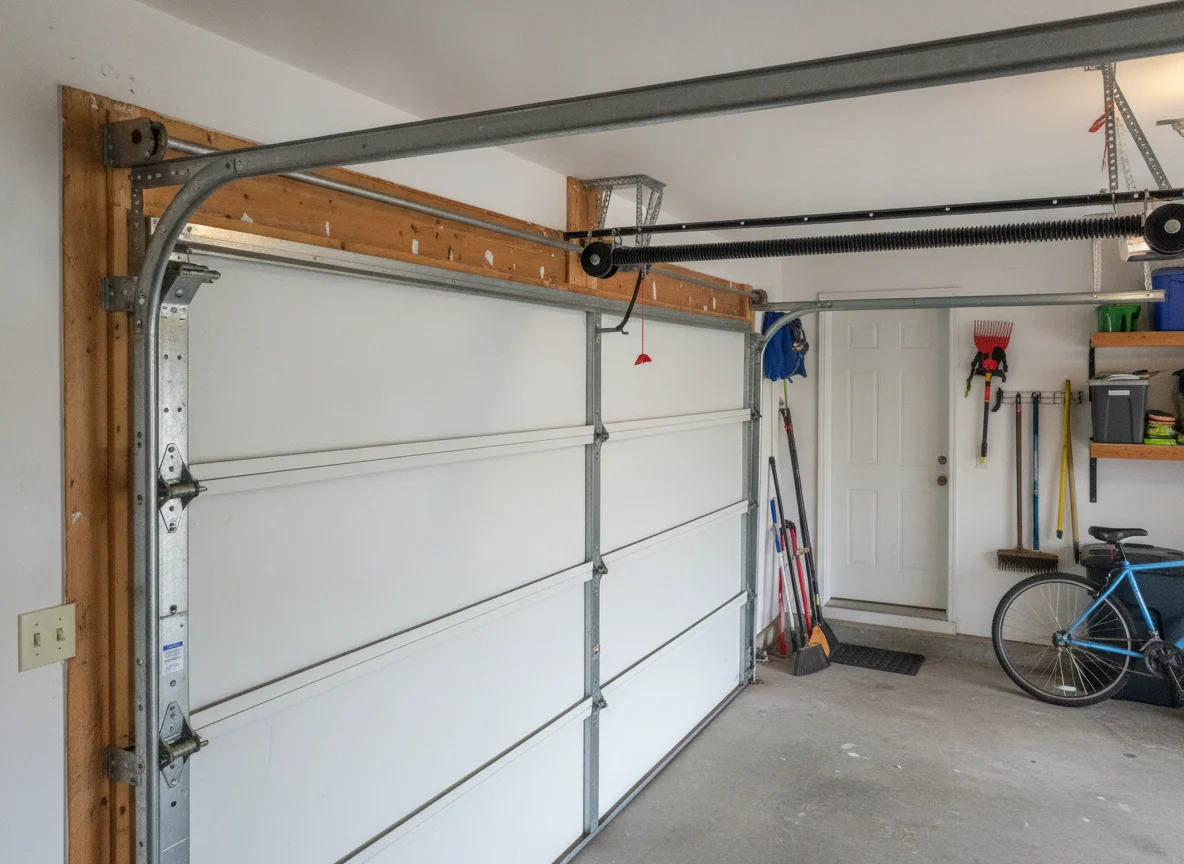
Everything on the checklist
Springs
Coils examined for gaps, stretch and corrosion, with the door's balance tested by hand.
Cables
Inspected for fraying and rust, mainly at the bottom brackets, and for equal tension on each side.
Rollers, hinges
Wobbly, cracked or worn units flagged, and hinges and bearings oiled.
Track
Examined for bends and slack brackets, wiped clean and squared up.
Fasteners
Hinge, bracket and track bolts get retightened, because years of daily movement work them loose.
The opener
Chain or belt slack, the travel limits and the closing force get set.
Safety reversal
The door has to head back up if something crosses the eye beam, or if it touches an object while descending.
Bottom seal and weatherstripping, scanned for openings letting in moisture, drafts and mice.
You should finish the visit knowing what is worn and why, so you can choose to act now or keep an eye on it.
Starting to hear grinding, hesitation or slowness? Mention what changed and a reply will follow.
Contact UsTime for a look?
The door is louder than it was: grinding, squealing or slamming at the end of its travel.
It stutters or slows partway through.
It slams shut, or one corner touches down well before the other.
The opener sounds strained compared with before.
Nobody can recall the last time it was inspected, yet it runs daily.
Describe what it's doing
A line or two is enough to get going, and you don't have to know what the failing part is called.
Checks you can do yourself
These take minutes and can reveal trouble early:
Look over the springs and cables monthly, standing on the floor with the door down. Watch for coil gaps and loose strands, and keep your hands off both.
Check auto-reverse
Place lumber on the floor and lower the door onto it. It should bounce back up, which the Consumer Product Safety Commission opener standard demands; if not, stop using the opener until it is corrected.
Try the eye beam
Wave a broom handle across the sensor path as the door closes. It should stop and retreat.
Oil the right spots
Apply a garage-door spray to hinges, roller bearings and springs, but not to the tracks, which should stay clean and dry, and not grease, a grit magnet.
Clear debris from the tracks and the floor line, and in cold weather don't let ice weld the bottom seal to the concrete. Running the opener against a frozen-shut door risks tearing that seal and straining the machinery.
Frequency
It comes down to how hard the door works. A garage that is the household's daily entrance needs more attention than one opened rarely. Jamestown averages about 46 inches of snow a year per NOAA normals, and ice and deep cold are hard on springs and seals, so book a look before the first hard freeze.
Most households do well with one visit a year, more or less often depending on use.
What affects maintenance cost
Door width, one bay or two, and whether an opener gets serviced as well.
Worn parts found along the way, such as rollers, a bottom seal, hinges or a cable close to failing. Ask for those to be priced separately from the checkup itself so the decision stays yours.
How far the door has drifted from its settings
Years of neglect mean more time to restore a door than regular attention would have.
When a checkup isn't the answer
Tune-ups are meant for doors that still run. When something has already given way, jump to the relevant repair:
Frequent questions
Worth servicing a door that's fairly new?
If it sees heavy use, yes. Springs and rollers wear with each cycle, not each year, so a busy door can age faster than its calendar suggests.
Can a checkup keep a spring from snapping?
Nothing makes a spring immortal. An inspection notices a coil nearing the end of its life, so you can schedule the swap instead of facing a sudden failure.
Which lubricant works best?
Use a garage-door spray, either lithium or silicone based. Avoid household oil and any thick grease.
Other garage door work
Garage Door Spring Repair
Replacement torsion or extension springs, chosen to carry that particular door's weight.
Read more →Garage Door Cable Repair
Worn, parted or slipped lift cables, and a door that sits crooked.
Read more →Garage Door Opener Repair
Openers that buzz, bounce back or ignore the remote, and new units when mending is pointless.
Read more →Contact us
Tell us how old the door and opener are, about how often the door runs, and whatever it has begun doing that it didn't before, like a new noise, a jerk or a slow close.
If the house came with this door, mention that as well.